Updated: June 20, 2026
This post contains affiliate links. As an Amazon Associate I earn from qualifying purchases at no extra cost to you.
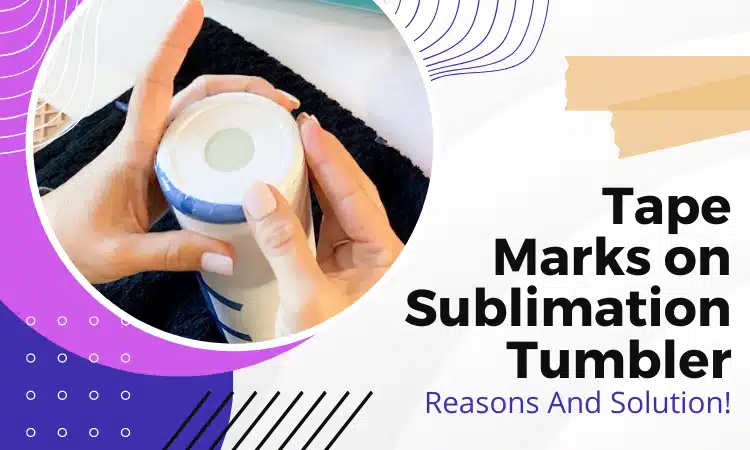
It is very likely to experience tape marks on the sublimation tumbler when you are trying it as a beginner. This problem can easily be solved if you can execute the sublimation process properly.
So, why are you getting tape marks on sublimation tumbler?
Incorrect use of heat-resistant tape or poor-quality tape during the sublimation process might leave tape markings on your tumbler. Also, improper temperature and time management can cause this ugly marking on the surface. So, it is advised to use low-tack sublimation tape and apply proper time and heat otherwise you have to redo the whole procedure.
We covered some solutions to prevent any tape marks on your sublimation tumbler. For a better understanding go through this whole article.
My Quick Answer
Tape marks on sublimation tumbler are not all the same. Yellow tape marks are usually not fixable because the adhesive or coating has changed under heat. White haze and sticky residue usually are fixable: start with warm water and microfiber, then try isopropyl alcohol. Tape outlines are pressure or heat impressions and may improve with a short reheat. Save Goo Gone for heavy adhesive only, and avoid acetone on coated tumblers. Use polyimide/Kapton-style tape rated around 500°F/260°C and peel slowly while the tumbler is still warm.
Last Updated: May 2026
Why is Sublimation Tape Leaving Marks?
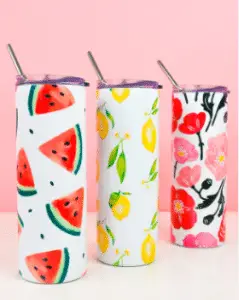
There could be several reasons for sublimation tape leaving marks. So the reasons are mentioned below:
Reason 1: Method of Application
The process of applying the tape will determine whether it leaves a mark on the tumbler. The tape may adapt to the texture of the substrate if you stretch it while you apply it to your surface. This makes it hard to remove and could leave a mark.
Sometimes, we place the tape with too much force and pressure. It may stick to the substrate too firmly, making it more difficult to remove and perhaps leaving markings. Additionally, if the tape is taken off too soon, it may leave behind stains that are hard to get rid of.
If you can’t do the sublimation process properly sometimes it can cause the sublimation print to be faded after washing.
Reason 2: Temperature & Time
The amount of time and temperature can cause tape marks on your surface while doing sublimation. The tape adhesive may soften and become more challenging to remove if the heat press is set to a temperature that is too high. For this reason, it can cause potentially leave marks on the substrate.
On the other side, the sublimation ink may not entirely transfer to the tumbler if the heat press is not set to a temperature that is high enough. As a result, that leads the tape leaves markings when it is removed.
Also, the tape adhesive may harden or lose its transferability if the substrate is heated in the press for too long or very less time. As a result, it might cause the tape to leave marks when it is removed.
Reason 3: Quality of The Tape
The sublimation tape may leave stains on your substrate depending on the tape’s quality. It might pull on the substrate when the tape is removed if the adhesive is too strong.
Also, We do use different types of adhesive in sublimation tape, each with different properties. If we use improper adhesive in a tumbler the tape may leave markings when it is removed.
The substrate may move during the transfer process if the tape is either too thick or too narrow. Also, unwanted tape markings could be left behind as a result of this. For broader troubleshooting of other tumbler issues, see the sublimation troubleshooting hub and the sublimation on tumblers guide.
A variety of basic components are required for a proper sublimation process. It’s also possible that sublimation tape will leave stains on your tumbler due to a lack of the necessary components.
The tools required to complete the sublimation process are:
- Sublimation printer
- Sublimation ink
- Sublimation transfer paper
- Sublimation tape
- Tumbler heat press (a convection oven may work well)
- Heat-resistant tape
- Heat-resistant gloves
- Protective paper
- Cleaning supplies (Alcohol and cotton balls)
- Cutter
The sublimation procedure won’t provide satisfactory results if any of the supplies are inappropriate or of low quality. As it could leave tape marks on a tumbler.
Reason 5: Using the Same Sheet for Every Pressing Cycle
The tape may lose its adhesive properties if it is repeatedly pressed using the same sheet. Between pressing cycles, the tape should be removed to prevent adhesive buildup on the tumbler.
It may cause the tape to adhere less effectively during subsequent pressing cycles. As a result, there is a chance that the tape will move or tear during pressing, possibly leaving a mark on the substrate when it is taken off.
5 Types of Tape Marks on Sublimation Tumblers and Which Ones You Can Fix
Before you try to fix anything, figure out what kind of mark you actually see. Sublimation tumbler marks fall into 5 categories, and only 3 of them are removable. Trying to remove a permanent mark wastes time and can damage the coating.
| Mark Type | What It Is | Removable? | Do This |
|---|---|---|---|
| Yellow Mark | Heat-stained adhesive or coating discoloration | Usually permanent | Keep this tumbler as a settings-test blank instead of wasting more supplies on it. |
| White or Hazy Mark | Adhesive residue sitting on the surface | Yes, surface only | Warm water + microfiber first; isopropyl alcohol for residue. Short 350°F reheat only if it looks like a pressure haze. |
| Brown / Scorched Mark | Coating burned at too high a temperature | No, coating damaged | Keep as a settings-test blank and lower your press temperature next time. |
| Tape Outline (no color) | Pressure impression from heavy taping | Yes, with reheat | Reheat 350 F for 15 to 20 seconds, buff with microfiber |
| Sticky Residue | Softened adhesive left on the surface | Yes, easy | Microfiber + isopropyl alcohol or warm soapy water |
Yellow marks are the most heartbreaking because they look fixable but are not. They usually mean the adhesive or coating changed under heat, not that there is just glue sitting on the surface. The best thing to do is figure out which tape caused it and never use that one again.
How to Prevent Tape Marks on Sublimation Tumbler? Appropriate Procedure.
It’s essential to follow the right process to avoid leaving tape marks on a sublimation tumbler. You may perform the following steps:
The tools required to complete the sublimation process are already mentioned for you.
Step 1: Start With Cleaning
Before applying the sublimation transfer paper, wipe the tumbler’s surface with a clean towel and rubbing alcohol. By doing this, you can be sure that the surface is clear of any oil, dust, or debris.
Step 2: Cut According To Your Size
To make it the right size for your tumbler, cut the sublimation transfer paper. Make sure it wraps around the tumbler properly without overlapping.
Step 3: Apply The Sublimation Tape
To keep the sublimation transfer paper in place on the tumbler, apply the sublimation tape around its edges. Always, remember that the tape is applied evenly and it should not overlap the transfer paper.
Step 4: Preheat The Heat Press
The heat press should be preheated to the proper time and temperature for the sublimation transfer paper and tumbler. By doing this, you can make sure that the press is heated properly before you start pressing.
Step 5: Position The Tumbler
The tumbler should be positioned in the heat press such that the transfer paper is facing the tumbler and is centered accurately.
Step 6: Cover with Protective Paper
The protective paper should be placed over the sublimation transfer paper and tumbler to stop extra ink from getting on the press.
Step 7: Press The Tumbler
Press the tumbler in accordance with the guidelines given by the sublimation transfer paper and tumbler manufacturers. Maintain the proper temperature and duration while applying even pressure.
Step 8: Remove The Tape and Transfer The Paper
After pressing is finished, gently remove the sublimation tape from the tumbler and the transfer paper from the tumbler. In order to prevent leaving marks on the tumbler, remove the tape gently and evenly.
You can avoid leaving tape residue on your sublimation tumbler and get a high-quality transfer by following these instructions.
How to Remove Tape Marks Step-by-Step
If you already have a tape mark, use this escalation order. Start with the gentlest method and only move down the list if it does not work. Aggressive scraping or strong solvents on the first attempt often damages the sublimation coating.
| Step | Method | Best For |
|---|---|---|
| Step 1 | Wipe with a damp microfiber cloth (warm water only) | Light surface residue |
| Step 2 | Reheat the tumbler at 350 F for 15 to 20 seconds, then buff with microfiber | Tape outline, pressure impression |
| Step 3 | Isopropyl alcohol 70 percent or higher on a soft cloth, gentle circular motion | White or hazy residue, sticky adhesive |
| Step 4 | Warm soapy water with a soft sponge, then rinse | Stubborn residue that alcohol did not fully remove |
| Step 5 | Adhesive remover like Goo Gone (last resort, test first) | Heavy adhesive glob, only after Steps 1 to 4 failed |
If a yellow or brown mark is still visible after Step 5, the coating has likely reacted under heat or scorched. Stop trying and start over with a fresh tumbler.
Avoid acetone on sublimation tumblers. It can dull, soften, or damage powder-coated and polymer-coated surfaces. Use it only on a scrap or test tumbler when you are prepared to lose the blank.
Warning: Goo Gone Can Damage Sublimation Coating
Goo Gone may be safe on many hard, painted, metal, plastic, and ceramic surfaces, but sublimation tumblers have a heat-reactive polymer coating that is not specifically listed by the manufacturer. Always test on a small, hidden area first. Use the smallest amount possible, wipe it off quickly, and wash with warm soapy water afterward. Work in a well-ventilated area and wear gloves. Do not use adhesive removers near open flames or on a hot tumbler. Never use Goo Gone on a print that just came out of the press because the coating is still soft and more vulnerable to damage.
Which Factors Should Be Kept In Mind To Avoid Sublimation Tape Marks?
While doing sublimation on our own we need to consider some factors to avoid tape marks on the tumbler. The process also needs some practice and patience to become perfect. So the factors are highlighted below,
Using Proper Heat:
When doing your sublimation technique in a tumbler, you must use the proper temperature. The minimum temperature that tapes offered for our use should be able to sustain at least 240°C or greater than that.
Tumbler sublimation transfer paper typically needs a temperature range of 350–400°F (176-204°C). If you’re meant to press mugs at 180°C and the tape stains the mug since the press was at 200°C, that tape isn’t good enough.
PET (polyester) is the most commonly used material and is offered in a variety of colors (transparent, red, green, and blue). It has a 204°C maximum suggested temperature. The tape in the brownish color is polyimide (PI) tape, whose suggested maximum operating temperature is 260°C.
So, the accurate temperature for sublimation on a tumbler will depend on the specific sublimation transfer paper and tumbler you are using. You also need to use a high-quality heat press so that it can’t keep your electric breaker tripping.
Time Management:
Usually, 50 seconds to 160 seconds are ideal for pressing sublimation tape. To guarantee that you get the finest results, it’s important to pay attention to the tumbler’s manufacturer’s directions.
Make sure the tumbler is completely covered in sublimation transfer paper and tape. Then try to position the paper appropriately to achieve even coverage and alignment.
Using Heat Protective Sheets:
Since heat protection sheets act as a barrier between the sublimation transfer paper and the heat press, their use is important throughout the sublimation process. It helps in keeping your tumbler free of any undesirable burns, stains, or markings.
However, the heat-protecting sheets additionally help in evenly distributing pressure across the substrate’s surface that is being sublimated. Using these sheets the sublimation ink can be transferred evenly and smoothly to the tumbler.
It is also considerably simpler to clean up after sublimation when heat-protective sheets are used. The protecting layer will catch any extra ink during the sublimation process rather than on the heat press. It helps the sublimation paper not to stuck with the tumbler.
Way of Tape Removal:
It’s extremely important to follow the right steps when removing the sublimation tape after sublimating on a tumbler. To prevent ruining the pattern or leaving tape traces on the surface follow these steps.
Let the tumbler cool just enough to handle safely, then peel the tape while it is still warm, not burning hot. Start at one end and pull at a low angle (around 45 degrees) away from the tumbler. Be careful not to pull too forcefully as this may harm the pattern or leave tape traces.
If the tape is challenging to remove, you might warm it up using a heat gun or hairdryer to make it simpler to pull off.
Use a soft cloth and rubbing alcohol or a specialist adhesive remover to carefully remove any tape residue that remains. If there are any issues, you may need to redo the sublimation process.
These instructions will help you remove the sublimation tape from the tumbler without scratching or damaging the surface.
Substrate Type:
Sublimation only works on materials that have been particularly developed to take sublimation ink, which is known as “sublimation substrates.” Due to a unique coating, these substrates can stick to the sublimation ink throughout the heat and pressure process.
Polyester textiles, ceramic mugs, metal plates, and polymer-coated products like phone covers and keychains are examples of common sublimation substrates.
It’s also essential to remember that different substrates may require different sublimation parameters, such as pressure, temperature, and duration. For example, sublimating into a tumbler might require a higher temperature and a longer pressing time than sublimating onto a polyester shirt.
Which Tapes Should Be Used for Mark-Free Sublimation?
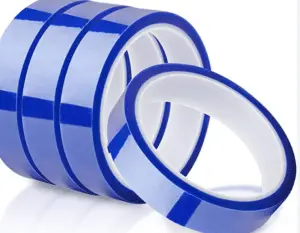
Heat-resistant tapes are made to withstand the heat of the press. Always select a high-quality sublimation tape that is made especially for sublimation printing if you want to avoid marks left by poor-quality sublimation tape.
Due to the fact that it won’t melt or leave any sticky residue on your substrate, it is a popular choice for sublimation printing. Some of the more popular ones are listed below.
Tape Comparison: Which Type Leaves Marks?
Not every "heat-resistant" tape is suitable for sublimation. The temperature rating and adhesive type decide whether the tape leaves a mark. Here is a quick comparison of common tape types you will see online.
| Tape Type | Marks Risk | Temperature Limit | Recommendation |
|---|---|---|---|
| Polyimide (Kapton-style) | Low | Up to about 500 F (260 C) | Standard for sublimation; safest beginner choice |
| Brand-name high-temp / polyimide tape | Low if sublimation-rated | Varies by exact product | Check the rating on the product sheet. Do not assume every "high-temp" tape is safe for tumblers. |
| Generic High-Temp Tape | Medium | Often only rated to about 400 F (204 C) | Risky at higher press temps; check spec carefully |
| HTV Tape (for vinyl) | High | Often only rated to about 350 F (177 C) | Not designed for sublimation heat; avoid |
| Painter / masking / scotch tape | Very high | Often around 200°F / 93°C, not sublimation-rated | Never use for sublimation; too low for 350 to 400°F press temperatures |
Pro Tip: De-Tack Overly Sticky Tape First
High-quality polyimide tape is often too sticky right off the roll. If your tape is too aggressive, lightly stick it to a clean, smooth cotton cloth once or twice before applying it to your tumbler. This lowers the tack just enough so the tape still holds during the press but releases cleanly afterward. Do not use a fuzzy shirt or fleece, because lint can transfer to the tumbler or paper and cause pressure marks. This trick is especially useful with fresh rolls and with thinner polyester tapes.
Sublimation Tape Options:
- Polyimide Heat Resistant Tape (2 rolls). Standard polyimide tape rated for sublimation temperatures, holds paper to the tumbler under heat without losing adhesion mid-press.
- 3M High-Temp Tape. Premium quality, reliable for tumbler wraps and high-heat presses.
- Lichamp High Temp Tape. Budget-friendly option for crafters who press regularly.
As an Amazon Associate I earn from qualifying purchases.
| Product Name | Description |
| 3M High-Temperature Flue Tape | It is ideal for use in sublimation printing since it can resist high temperatures. It is simple to use and won’t damage your substrate with adhesive residue. |
| Lichamp High Temp Tape | This tape can withstand heat up to 500°F and is constructed of tough polyimide film. It is appropriate for use in sublimation printing and has a powerful adhesive that won’t leave any traces on your substrate. |
| Heat Resistant Tape (2 Rolls) | This PET film-based tape contains a silicone adhesive that withstands heat up to 482°F. It won’t leave any residue on your substrate and is ideal for sublimation printing. |
| PTFE Coated Fiberglass Fabric Tape | Fiberglass fabric is used to make the PTFE-coated fiberglass fabric tape, which has a high level of heat resistance. It is perfect for sublimation printing since it is simple to use and won’t leave any stains on your substrate. |
Before making a purchase, it’s also advisable to check the product description and customer reviews to be sure you’re receiving the proper item for your needs.
FAQs
How to Fix Ghosting on Sublimation Tumbler?
The simplest technique to avoid ghosting is to keep the transfer paper fixed when taping your panel to it. Even while the transfer paper is still taped to the panel, ghosting can occur if air or air pressure enters the space underneath the paper.
What type of tape leaves no marks on sublimation tumblers?
Polyimide/Kapton-style tape rated around 500°F/260°C is usually the safest beginner choice for sublimation tumblers. It holds firm during the press but releases cleanly afterward without leaving adhesive residue, scorch marks, or yellow stains. Generic tape rated only to 400°F or craft tape rated to 350°F can leave marks when used at standard sublimation temperatures.
Can you remove yellow tape marks from a sublimation tumbler?
Usually no. Yellow marks happen when the tape adhesive or coating changes under heat. Once the stain is baked into the coating, it usually cannot be cleaned off without damaging the surface. Save the tumbler as a settings-test blank and change your tape, temperature, or press time before the next attempt. White, hazy, or sticky residue is different and usually comes off with isopropyl alcohol or a quick reheat at 350°F.
Should I peel sublimation tape while hot or cold?
Peel while the tumbler is still warm, not burning hot. Warm tape releases cleanly because the adhesive is still soft. Once the tumbler cools completely, the adhesive hardens and the tape becomes harder to remove without leaving residue or pulling tiny coating bits. Use heat-resistant gloves and pull slowly at a low angle, starting from one end.
Can You Sublimate a Tumbler Twice?
Yes. Tumblers may be sublimated as many times as needed as long as they are not damaged. However, you should be aware that reheating a tumbler can cause the previous print image to reappear as a ghost image in the background.
How Many Minutes Do You Sublimate a Tumbler?
A tumbler needs to be sublimated for 4-7 minutes. When the mug press is ready, hold the tumbler with the seam side of the sublimation paper facing down. Then insert the top half of the tumbler into the mug attachment. Ensure that the tumbler’s top lip fits completely inside the cup attachment.
Conclusion
Now you know how to avoid tape marks on the sublimation tumbler. The sublimation process is not hard when you have the proper equipment, design, and material. So, If you have patience and a practicing mindset then you can easily sublimate your Tumbler without leaving any marks.


Emily Johnson is a DIY crafter and the founder of SublimationGuides.com. She started out repairing and sewing clothes for her two sons, then discovered sublimation as a way to personalize her makes. Today she researches and shares honest, tested guides on sublimation settings, troubleshooting, and equipment.