
Updated: July 14, 2026
Sublimating on decorative products looks much better than printing and using stickers. But there are some restrictions on materials that can be sublimated.
So, what about foam boards? Can you sublimate on foam board?
Yes, you can sublimate on foam board, but only if the board is specifically labeled as sublimation-ready or has a sublimation-safe polymer coating. Do not press regular craft foam board, Dollar Tree foam board, or generic PVC sign board at sublimation temperatures unless the manufacturer clearly says it is safe for heat pressing. Standard foam boards can warp, melt, or release fumes when heated.
Here is the safe way to check whether your foam board can handle sublimation, and the right way to press it.
My Quick Answer
Can you sublimate on foam board? Yes, but only on foam board that is sold as a sublimation blank or clearly labeled as heat-press safe with a sublimation-compatible coating. Regular craft foam board, paper-faced foam board, Dollar Tree foam board, and generic PVC sign board are not safe choices unless the manufacturer clearly says they are heat-press safe. Standard foam boards can warp, melt, delaminate, or release fumes. For sublimation foam board, start around 330 to 375 F for 60 to 90 seconds with light to medium pressure, and always follow the blank manufacturer instructions first.
Last Updated: May 2026
Can You Sublimate on Foam Board?
Yes, sublimation can be done on foam boards. But only on a selected few. The foam boards that can be sublimated must have the following characteristics-
- It must have a sublimation-compatible coating, usually a polyester or polymer coating designed to accept sublimation ink. The base material alone is not enough. A board can be made from PVC, polystyrene, or another foam core and still be unsafe if it is not heat-rated and sublimation-coated.
- The surface of the foam board must be even and smooth. It must be free of any irregularities or bumps. Otherwise, the sublimation ink will not sit properly.
- The foam board must be resistant to heat. Heat is required for the sublimation process. So the foam board must be capable of enduring the heat without warping or melting.
Sublimation foam boards are sold by craft suppliers and some Amazon vendors. Look for boards explicitly labeled as sublimation-ready or sublimation blanks, with a polymer coating designed to accept sublimation ink. The coating matters more than the foam core, and a board without a clear sublimation rating is not safe to press.
Safety Warning: Uncoated PVC Releases Toxic Fumes
Standard, uncoated PVC foam board is not the same as sublimation-coated foam board. Unstabilized PVC can begin degrading around 212 F (100 C), and PVC thermal breakdown is associated with hydrogen chloride release. Standard sublimation temperatures of 350 to 400 F are well above that threshold, so do not heat uncoated PVC foam board unless the manufacturer specifically rates it for sublimation or heat pressing.
Always use foam boards explicitly labeled as sublimation foam boards or polyester-coated boards. Avoid Dollar Tree, generic craft store, or signage PVC foam boards unless the manufacturer specifically states they are heat-safe for sublimation. Work in a well-ventilated room and use heat-resistant gloves.
Foam Board Materials Compared
Not every foam board is built the same. Use this quick reference to find the safe option for sublimation.
| Material | Sublimation Safe? | Notes |
|---|---|---|
| Sublimation-Coated Foam Board | Yes | Designed for heat transfer; smooth white polymer coating accepts sublimation ink |
| Polyester-Coated Boards | Yes | Polyester coating is sublimation-friendly; check manufacturer specs for heat range |
| Uncoated PVC Foam Board | No | Releases hydrogen chloride fumes above 212 F; not designed for sublimation heat |
| Standard Polystyrene (Styrofoam) | No | Melts easily; not heat resistant for sublimation |
| Dollar Tree / Craft Store Foam Boards | Usually no | Often paper-faced polystyrene foam core, not sublimation-coated; may warp, scorch, melt, or delaminate under heat |
Safe Buying Checklist
Before buying foam board for sublimation, check the product listing for these signals:
- Explicit label “sublimation blank” or “sublimation-ready”
- Manufacturer heat-press temperature and time (a real spec, not “for crafts”)
- Polymer or polyester coating designed to accept sublimation ink
- Flat heat-press compatibility
- Ventilation or safety notes for heat application
If a product page does not include heat-press instructions, treat that as a warning sign, not an invitation to experiment at full sublimation temperature.
How to Sublimate on Foam Boards?
To sublimate on foam board, you’ll need the following tools and equipment:
Tools & Supplies Needed
- A sublimation foam board
- A heat press machine
- Sublimation paper
- Sublimation printer and ink
- Protective paper
- Ruler
- Scissors
- Heat resistant gloves
There are different types of sublimation paper available on the market. Some sublimation paper are best for cotton. But since you’re working on a foam, get a sublimation paper more compatible with it.
Recommended Settings
Start with a conservative setting and adjust based on your specific sublimation foam board and heat press. These are starter ranges, and the manufacturer of your blank should always take priority.
| Setting | Recommended Range | Why |
|---|---|---|
| Temperature | 330 to 375 F | Hot enough for ink transfer, low enough to avoid warping or melting |
| Time | 60 to 90 seconds | Long enough for the dye to transfer, short enough to avoid heat damage |
| Pressure | Light to medium | Heavy pressure compresses foam and ruins the surface |
| Protective Sheet | Parchment paper or Teflon | Prevents direct heat platen contact and protects the design |
If your design transfers light at 330 F, increase by 10 F at a time. If the foam warps or smells off at higher temperatures, lower your setting and check that your board is properly sublimation-rated. For a full reference, see the sublimation temperature chart for every substrate.
Step 1: Prepare The Foam Board
Take your foam board and cut it to the desired size. Make sure the surface of the foam board is smooth and clean. If there’re any bumps or dirt on the surface the sublimation ink will not adhere properly to the foam.
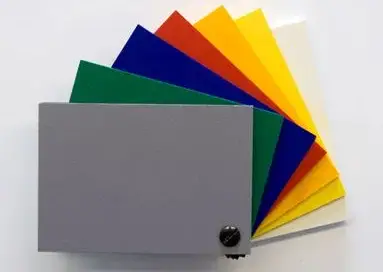
Do not use a heat gun to smooth foam board. If the surface is dented, warped, or uneven, use a different blank. Foam board can deform quickly under direct heat.
Step 2: Prepare The Sublimation Printer
If the design is ready, prepare the sublimation printer for printing. Load the sublimation ink into the ink chamber and see if the printhead is clean and ready.
Try to use the best quality sublimation ink to get a bright print on the foam. Now, load the sublimation paper in the designated place. The picture will be printed on the bright side of the sublimation paper.
Check the design once again and initiate printing. Once the printed sublimation paper comes out, you can resize or cut the design as necessary.
Step 3: Heat Press The Foam Board
Once you have resized the design, preheat the heat press to the temperature recommended by your sublimation foam board manufacturer. If your blank does not include instructions, start conservatively in the 330 to 350 F range and test a small piece first. Do not use 400 F on foam board unless the manufacturer specifically lists that setting for that exact blank.
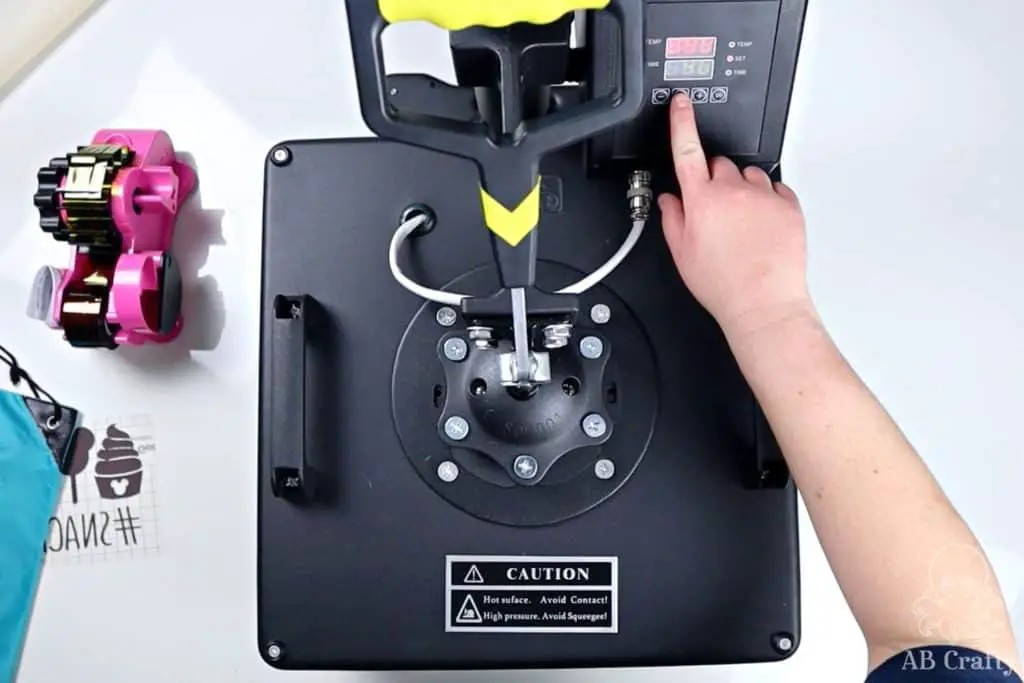
Now, prepare the contents for the sublimation. First, place the designed side of the sublimation paper facing down on the foam board.
Make sure you’ve positioned them correctly and that no air bubble is in there to create a gap. You can use heat-resistant tape to bind them together to prevent them from misplacement.
Now, relocate them onto the heat press machine and place parchment paper or a Teflon sheet on top. Now close the heat press machine and wait for 60-90 seconds.
Make sure to wear heat-resistant gloves while taking the foam out of the heat press machine.
Step 4: Remove The Sublimation Paper
Peel the sublimation paper from the top. The design should be on the foam board surface now. Let the board cool off now. Don’t wait for the board to cool off to peel the sublimation paper.
When the board gets cool, peeling the sublimation paper might become trickier. Also, be careful enough to avoid pressing the sublimation paper back again.
Otherwise, you’d have to deal with removing sublimation ghosting.
That was all you needed to know for sublimating on a foam board. If you need a visual demonstration of the process, you can check out this video
Alternative Materials If Foam Board Does Not Work
Foam board has real limitations: it warps under heavy pressure, the cheap versions release fumes, and even sublimation-rated foam boards can scuff or dent in storage. If foam board has been frustrating, these alternatives often deliver a more reliable sublimation surface for signs, photo panels, and display pieces.
The cleanest alternatives are acrylic panels, which take sublimation beautifully and resist warping; sublimation-coated metal panels, which produce sharper colors and last much longer than foam; and standard sublimation hardboards (MDF with a polymer coating), which press flat and hold the print well. For a broader overview of substrate options, the sublimation temperature chart covers settings for many materials side by side.
For deeper troubleshooting on prints that look faded, ghosted, or never quite transfer, the sublimation troubleshooting hub diagnoses the most common problems and the sublimation not transferring guide walks through 9 specific causes.
My tip: if you only want the lightweight look of a printed foam board sign, sublimate onto a proper sublimation blank first, then mount the finished print onto plain foam board afterward. Photo mounting film, spray adhesive, or an adhesive sheet gives you the foam-board look without pressing heat directly onto regular craft foam.
FAQs
Can sublimation paper transfer designs onto dark fabrics?
Sublimation works well on white or light-color-based materials. It can be used on darker tones, but it will have an effect on the colors. Sublimation printing does not require white ink. White areas of the design may remain unprinted, revealing the base color of the textile.
What is 3D Vacuum Heat Press?
A 3D vacuum heat press is a small desktop machine that transfers heat to substances with curved edges or shapes. It can sublimate blank or pre-treated products such as picture frames, mugs, smartphone covers, buttons, athletic goods, etc. You can use it instead of a regular heat press.
Is heat transfer paper and sublimation paper the same?
No, heat transfer paper and sublimation paper are not the same. Sublimation paper is used with sublimation ink and a polyester-coated or polyester-rich surface; heat drives the dye out of the paper and into the coating. Heat transfer paper usually creates a printed transfer layer that sits on top of the material. For foam board, use sublimation paper only with a sublimation-ready blank.
Is PVC foam board safe for sublimation?
Only sublimation-rated PVC foam board is safe. Standard, uncoated PVC foam (the kind sold in craft stores or dollar stores for signage) can release hydrogen chloride fumes above 212 F, well below standard sublimation temperatures. Always use boards explicitly labeled as sublimation foam boards or polyester-coated boards, and work in a well-ventilated room.
What temperature should I use for sublimation foam board?
Start in the 330 to 375 F range for 60 to 90 seconds with light to medium pressure. Higher temperatures risk warping and may exceed the heat tolerance of cheaper boards. Always check the manufacturer specs for your specific blank before pressing.
Can I sublimate on Dollar Tree foam board?
Most Dollar Tree or generic craft store foam boards are uncoated PVC and are not designed for sublimation. They are not heat-rated for the 330 to 400 F range, may warp or melt, and can release fumes. If a board is not explicitly labeled as sublimation-ready, treat it as not suitable.
Conclusion
So, can you sublimate on foam board? Yes, but only when the board is made for sublimation. Regular craft foam board is not worth the risk. Use a coated sublimation blank, keep the temperature conservative, use light pressure, and stop immediately if the board warps or smells wrong.
Foam board is one of the trickier sublimation substrates. If reliability matters more than the lightweight look, sublimation-coated metal or hardboard often produces sharper results with less risk.


Emily Johnson is a DIY crafter and the founder of SublimationGuides.com. She started out repairing and sewing clothes for her two sons, then discovered sublimation as a way to personalize her makes. Today she researches and shares honest, tested guides on sublimation settings, troubleshooting, and equipment.